
How we work
Every device goes through the same three steps before it reaches a patient.
The three steps
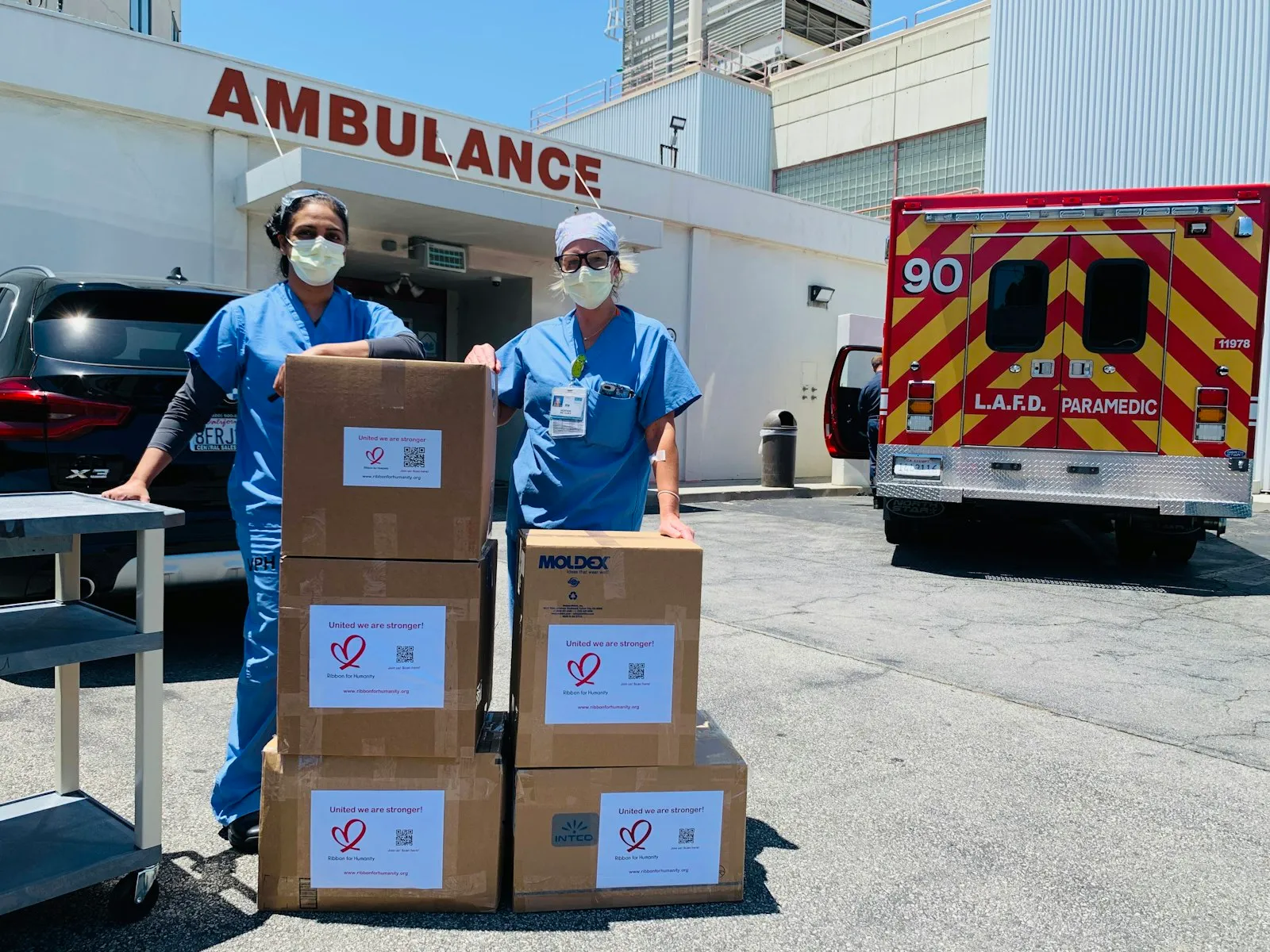
Source
We work with manufacturers and hospitals to identify Class 1 and 2 devices in good working condition, including surplus and retired-but-functional equipment.
- Hospitals replace equipment on fixed cycles, and manufacturers hold surplus stock. A lot of it still works well.
- Using surplus is deliberate: every device we reuse is one less thrown away and one less that has to be made new.
- We only accept Class 1 and 2 devices: from hospital beds and stethoscopes through to patient monitors and ultrasound. We do not handle Class 3 devices such as implants.
- Every offer is checked against what our partner clinics and hospitals have actually asked for, so nothing is sent just because it was available.
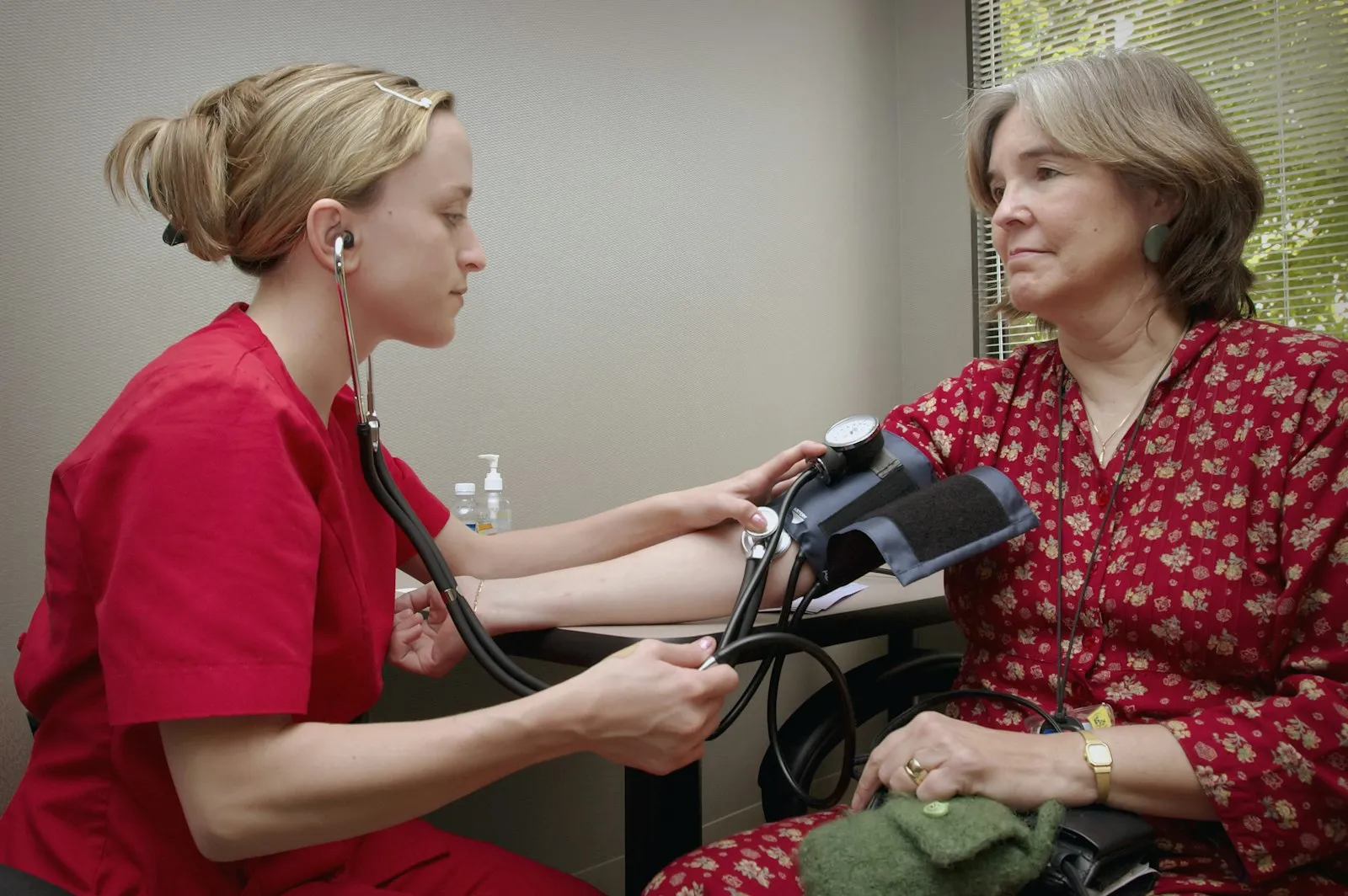
Verify
Every device is inspected and tested against MDR standards before it ships, so partner clinics and hospitals receive equipment that has been checked.
- The EU Medical Device Regulation (MDR) sets the safety and performance rules for medical devices sold in Europe. We use it as our standard for everything we ship.
- Each device is inspected, tested and documented before it leaves. Anything that does not pass stays behind.
- We are selecting an independent biomedical testing partner in Switzerland and will name them here once the agreement is signed.
- Devices ship with their manuals and the accessories they need to run, because a monitor without its cables is not a monitor.
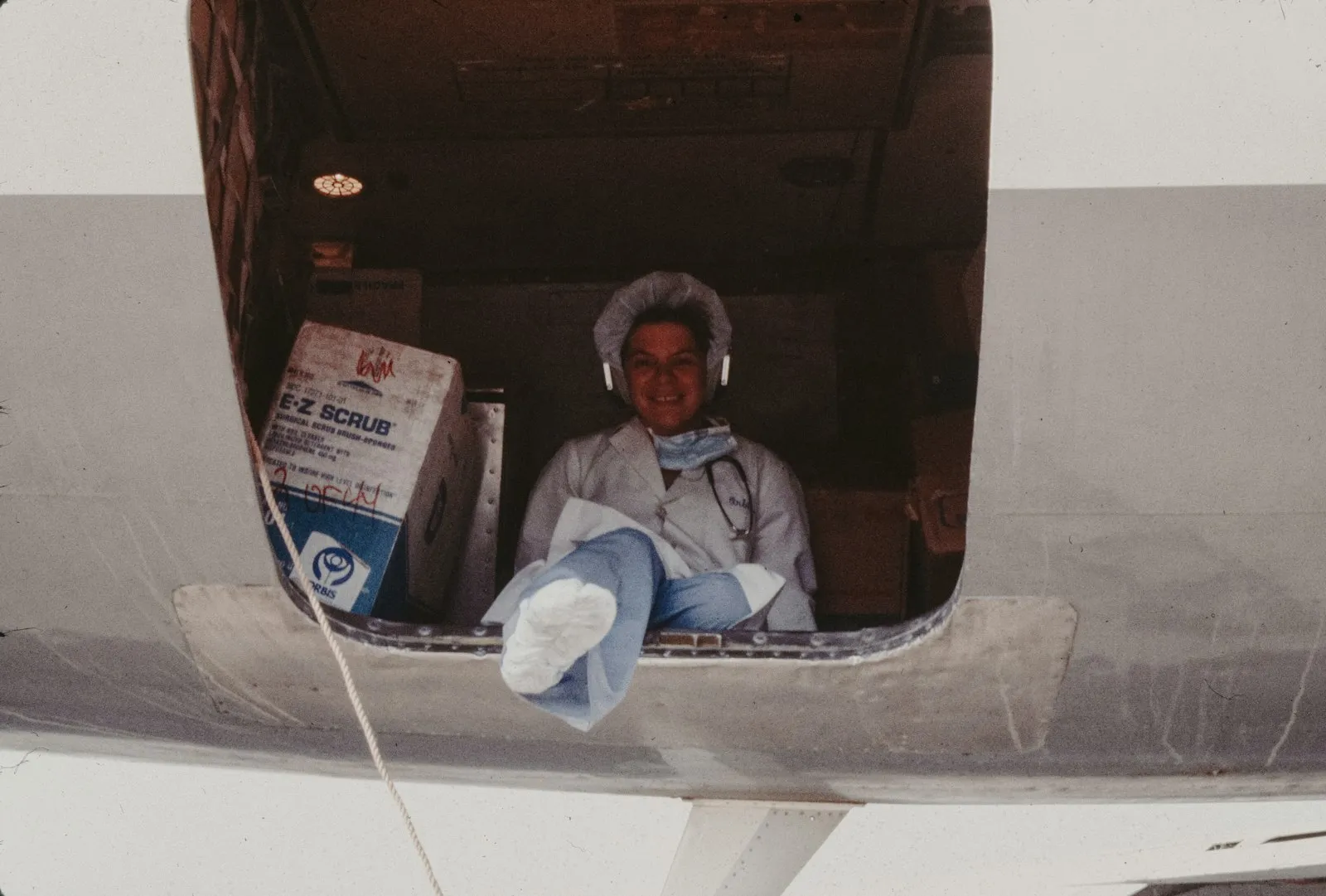
Deliver
We coordinate logistics into underserved regions and follow up with receiving facilities to confirm equipment is in use and working as intended.
- We organise transport, customs paperwork and hand-over with the receiving clinic or hospital.
- After delivery we follow up with the facility to confirm the equipment is in use and working as intended.
- Every device is recorded from the donor to the receiving clinic or hospital, so donors can see where their equipment ended up.
Have equipment that still works?
Tell us what you have. We will check it against what our partner clinics and hospitals need.